Glass Systems & Types
Glass Systems
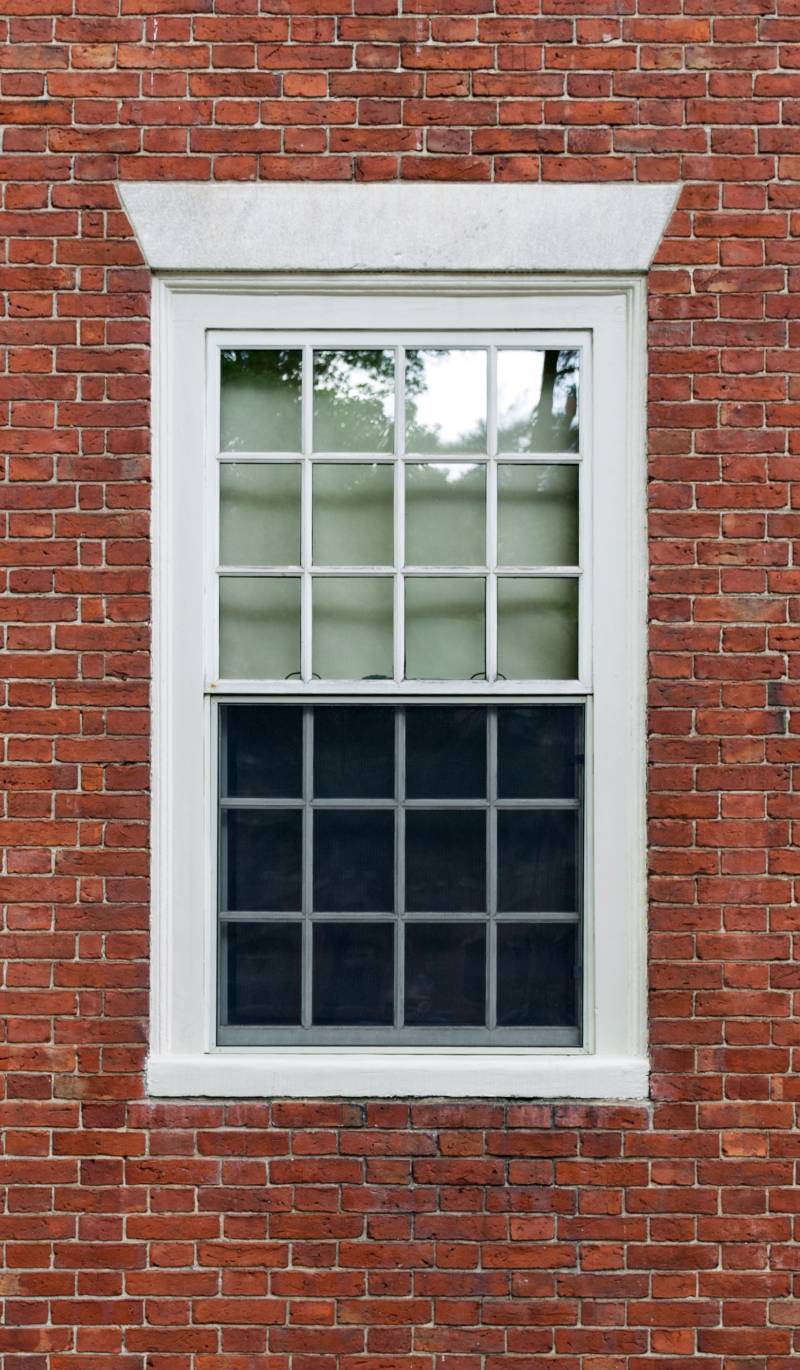
Brouns Glass offers four specialized glass solutions designed to meet a range of preservation, performance, and architectural requirements: single-pane, enhanced single-pane, laminated glass system, and slim insulated glass units.
Single-Pane Systems
Single-pane glass is ideal for projects where historic window frames have limited depth or where maintaining complete historical authenticity is the priority. This option closely replicates the original appearance of period glass installations.
Enhanced Single-Pane Systems
Enhanced single-pane systems maintain the visual character of traditional historic glass while providing better thermal insulation and sound reduction. This solution helps preserve the building’s original style while improving overall energy performance.
Laminated Glass Systems
Laminated glass units combine two or three layers of glass bonded with a specialized insulating interlayer. The exterior layer is often crafted from hand-drawn heritage glass for an authentic historic appearance, while the interior pane is commonly made from tempered float glass for strength and safety. These systems offer strong thermal efficiency, sound insulation, and up to 98% UV protection, with typical Ug-values around 3.6.
Slim Double-Glass Systems
Slim insulated glass units feature a much narrower air cavity than conventional double glass units, allowing them to fit into historic timber and steel frames without extensive modifications. Suitable for everything from early Georgian and Victorian buildings to more contemporary structures, these units are available in multiple thicknesses and generally achieve U-values between 1.9 and 1.3 for significantly improved energy efficiency.
Glass Types
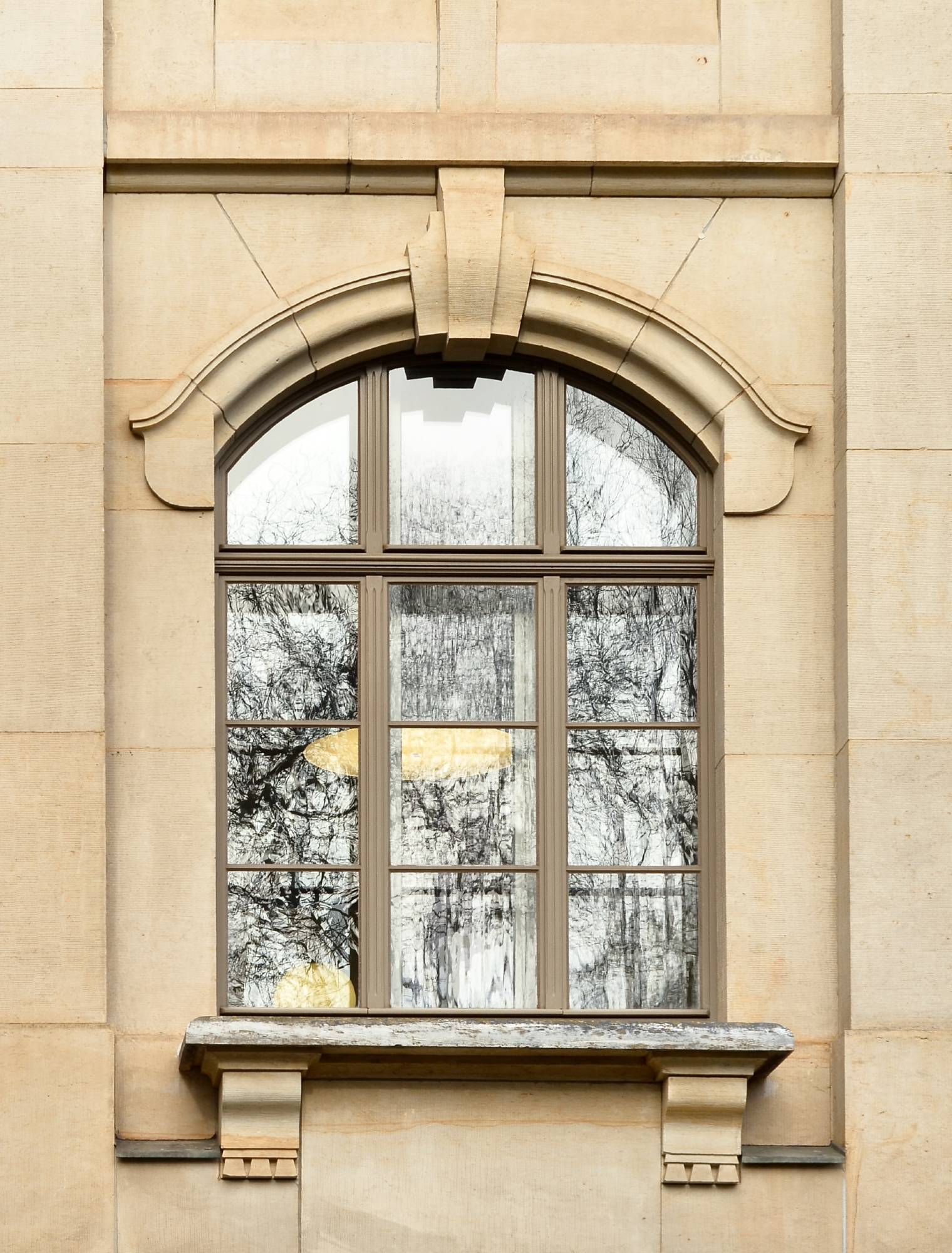
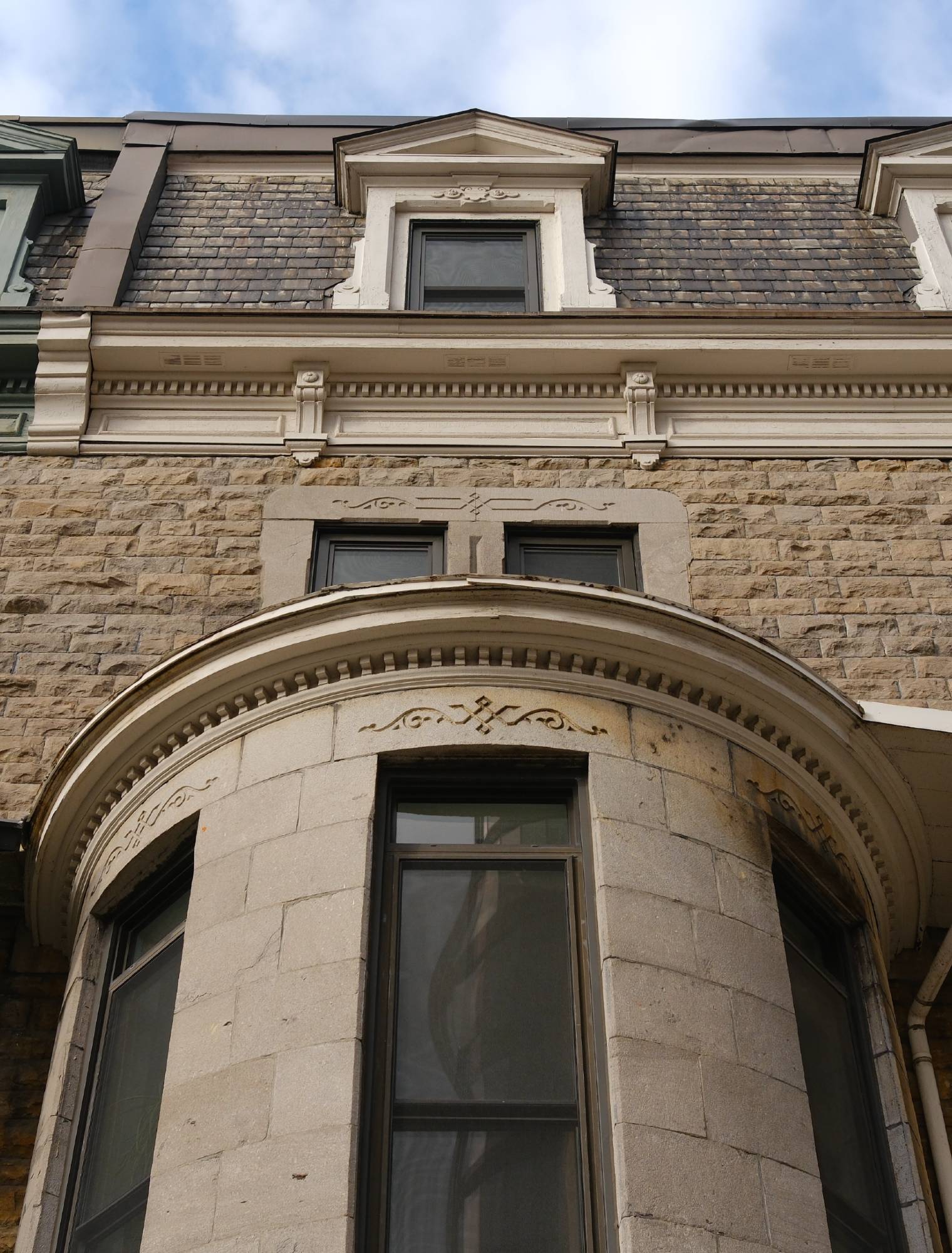
Brouns Glass supplies three primary types of architectural glass, each offering unique visual characteristics and historical authenticity. The right choice depends on the building’s age, architectural style, and restoration objectives.
Hand-Drawn Glass
Hand-drawn glass is produced using traditional manufacturing techniques in which molten glass is vertically drawn into sheets and carefully flattened. This historic process naturally creates subtle distortions, light ripples, and minor variations in thickness that give the glass its distinctive appearance and movement.
Characteristics
- Gentle distortion and movement in reflections
- Slight variations in thickness
- Highly authentic appearance for restoration work
- Commonly specified for landmark and heritage properties
Cylinder Glass
Cylinder glass is created by blowing molten glass into a large cylinder shape, cutting the ends away, then opening and flattening the material into sheets. This method produces more visible texture and distortion than hand-drawn glass, resulting in a bold historic appearance.
Characteristics
- Noticeable waves and irregular surface patterns
- Traditional textured appearance
- Strong period character
- Frequently found in buildings from the 17th through 19th centuries
Float Glass
Float glass is the modern industry standard. During manufacturing, molten glass floats across a bed of molten tin, creating an extremely smooth, flat, and optically clear surface with consistent thickness throughout.
Characteristics
- Smooth and highly polished finish
- Minimal visual distortion
- Uniform thickness and clarity
- Excellent optical performance
- Standard choice for modern glass systems applications
Although float glass provides superior clarity, it does not replicate the visual depth and character associated with historic glass products.
Quick Comparison
- Float Glass — modern, clear, flat, and uniform
- Hand-Drawn Glass — subtle movement with authentic historic character
- Cylinder Glass — stronger distortion and traditional period appearance
For preservation and restoration projects, the ideal glass selection depends on the age of the structure, desired historical accuracy, and overall performance goals.
Preserving architectural heritage for generations to come
authentic heritage glass with thermal efficiency